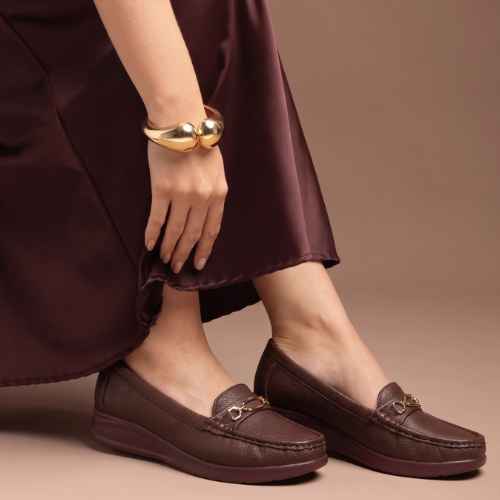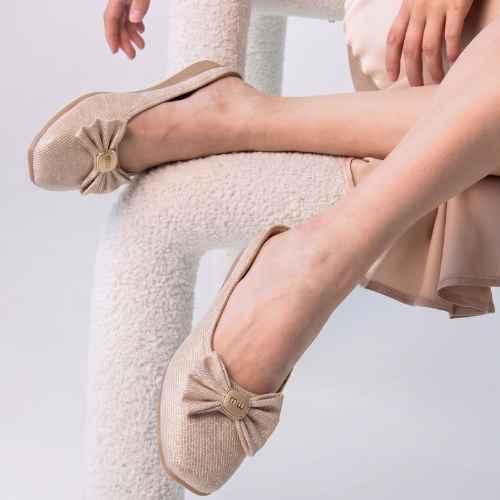
A good pair of shoes is about much more than its upper design or overall appearance. The sole of a shoe plays an equally important role in comfort, stability, grip, durability, and everyday performance.
Whether you are looking for comfortable footwear for daily wear, stylish women’s footwear for special occasions, or reliable shoes for long hours on your feet, the right sole can make a noticeable difference.
At Fan Girl, we believe that great footwear should combine comfort, functionality, durability, and style. Understanding different shoe sole materials can help you choose footwear that suits your lifestyle, personal preferences, and everyday needs.
What Is a Shoe Sole?
The sole is the part of a shoe that sits underneath your foot and comes into contact with the ground. It protects your feet from uneven surfaces while providing cushioning, support, balance, and traction.
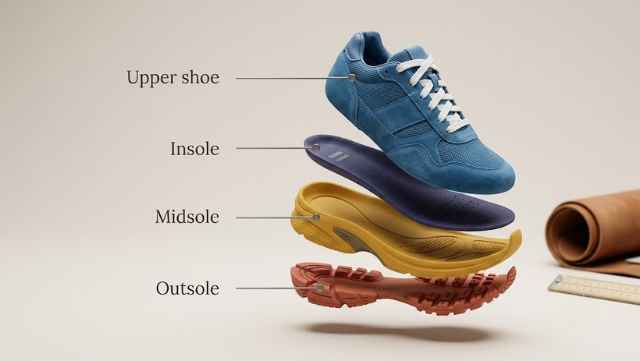
A footwear sole generally consists of three important parts:
1. Outsole
The outsole is the bottommost part of the shoe and the layer that directly touches the ground. It is primarily responsible for grip, traction, stability, and durability.
The material and tread pattern of an outsole can affect how a shoe performs on different surfaces. For example, footwear designed for everyday city use may have a different outsole construction from shoes intended for outdoor or high-activity use.
2. Midsole
The midsole sits between the outsole and insole. Its main purpose is to provide cushioning and shock absorption.
A well-designed midsole can make walking more comfortable by helping absorb some of the impact generated with every step. Different footwear styles use different materials depending on the desired balance between softness, support, flexibility, and durability.
3. Insole
The insole is the layer inside the shoe that your foot rests on. It can contribute significantly to the overall comfort of footwear.
Insoles may include cushioning, additional padding, or support features depending on the design of the shoe. A comfortable insole can make everyday footwear feel softer and more supportive, particularly when worn for extended periods.
Together, the outsole, midsole, and insole work as a complete system to provide the comfort, support, protection, and stability you expect from quality footwear.
Why Is the Sole of a Shoe Important?
The sole is one of the most important components of any footwear design. It affects not only how a shoe feels while walking but also how it performs over time.
Here are some of the key reasons why shoe soles matter:
Shock Absorption and Cushioning
Every step creates some amount of impact between your feet and the ground. A properly cushioned sole can help absorb this impact and make walking or standing more comfortable.
For people who spend long hours walking or standing, comfortable footwear with adequate cushioning can make everyday movement feel easier.
Grip and Traction
Good traction helps provide stability while walking on different surfaces. The outsole’s material, tread pattern, and overall construction all contribute to the shoe’s grip.
This is particularly useful when footwear is worn outdoors or on smooth, uneven, or slightly wet surfaces.
Support and Stability
A well-constructed sole can help provide a stable foundation for your feet. Depending on the footwear design, different sole constructions can offer varying levels of cushioning, flexibility, and support.
For everyday footwear, finding the right balance between flexibility and stability is important for comfortable movement.
Durability
The sole experiences considerable wear during regular use. It comes into contact with roads, floors, dust, moisture, and other surfaces.
Materials such as rubber, PU, EVA, and TPR are commonly used in footwear because they offer different combinations of durability, flexibility, cushioning, and weight.
Choosing the appropriate sole material can therefore influence how long your footwear remains comfortable and functional.
Style and Design
Soles are not purely functional. They also contribute to the overall appearance of footwear.
From chunky platform soles and contemporary sneaker soles to sleek soles used in women’s fashion footwear, the sole can completely change the look and character of a shoe.
At Fan Girl, we understand that today’s footwear needs to look good while remaining comfortable and practical for everyday use.
Different Types of Shoe Sole Materials
There is no single material that works best for every type of footwear. Different sole materials have different characteristics, making them suitable for different shoe styles, activities, and preferences.
Some of the commonly used shoe sole materials include rubber, PU, EVA, TPR, leather, cork, and crepe.
Let’s understand what makes each one different.
Rubber Sole
Rubber is one of the most commonly used materials for shoe outsoles. It is valued for its durability, traction, and resistance to everyday wear.
Rubber soles can provide good grip on a variety of surfaces and are commonly found in casual shoes, outdoor footwear, work footwear, and many everyday styles.
Benefits:
- Good grip and traction
- Durable construction
- Suitable for outdoor use
- Good resistance to everyday wear
Best suited for:
- Casual footwear
- Outdoor shoes
- Everyday walking shoes
- Work and utility footwear
Consideration:
Rubber can be heavier than some lightweight foam-based sole materials.
Polyurethane (PU) Sole
PU, or Polyurethane, is popular in footwear because it offers a useful combination of lightweight construction, flexibility, cushioning, and durability.
PU soles are commonly used in casual footwear and other styles where comfort and everyday performance are important.
Benefits:
- Lightweight
- Flexible
- Comfortable
- Good resistance to everyday wear
- Suitable for different footwear styles
Best suited for:
- Casual shoes
- Everyday footwear
- Work footwear
- Comfort-focused footwear
Consideration:
PU performance can vary depending on its formulation and exposure to environmental conditions.
EVA Sole
EVA (Ethylene Vinyl Acetate) is a lightweight, foam-like material widely used in modern footwear.
It is especially popular for shoes where cushioning and reduced weight are priorities. EVA can provide a soft and comfortable feel, making it a common choice for sneakers, casual footwear, sandals, and other comfort-focused designs.
Benefits:
- Extremely lightweight
- Soft and comfortable
- Good cushioning
- Helps reduce the overall weight of footwear
Best suited for:
- Sneakers
- Casual shoes
- Walking footwear
- Sandals
- Lightweight everyday footwear
Consideration:
EVA foam can gradually compress with prolonged use depending on its density and construction.
Thermoplastic Rubber (TPR) Sole
TPR, or Thermoplastic Rubber, combines characteristics of rubber and thermoplastic materials. It is widely used in fashion footwear because it can offer flexibility, a good finish, and practical everyday performance.
TPR is commonly seen in casual footwear, fashion shoes, women’s footwear, and selected heel designs.
Benefits:
- Flexible
- Good surface finish
- Lightweight compared with some rubber constructions
- Suitable for fashion footwear
Best suited for:
- Women’s footwear
- Casual shoes
- Fashion footwear
- Selected heels and sandals
Consideration:
Performance can vary depending on the formulation and design of the sole.
Leather Sole
Leather soles are traditionally associated with premium and formal footwear. They have a distinctive, refined appearance and can develop a more individual character with use.
Leather is also naturally breathable compared with many synthetic materials.
Benefits:
- Premium appearance
- Classic finish
- Breathable
- Can develop character over time
Best suited for:
- Formal footwear
- Premium shoes
- Designer footwear
- Traditional and handcrafted styles
Consideration:
Leather soles generally require more care and are less suitable for prolonged exposure to wet conditions.
Cork Sole
Cork is a lightweight, natural material that can provide cushioning and a distinctive feel.
It is commonly associated with sandals and comfort-oriented footwear where a natural material and lightweight construction are desirable.
Benefits:
- Lightweight
- Natural material
- Comfortable
- Can conform to the foot over time
Best suited for:
- Sandals
- Comfort footwear
- Lifestyle footwear
Consideration:
Cork requires appropriate care and is not ideal for prolonged exposure to water.
Crepe Sole
Crepe soles are made from a soft, flexible rubber material with a distinctive textured appearance. They are often associated with casual, handcrafted, and classic footwear styles.
Benefits:
- Soft feel
- Flexible
- Distinctive appearance
- Comfortable for casual use
Best suited for:
- Casual shoes
- Boots
- Handmade-inspired footwear
- Lifestyle footwear
Consideration:
The soft surface can collect dirt and may show wear more quickly than harder sole materials.
Quick Comparison of Shoe Sole Materials
| Sole Material | Main Benefit | Commonly Used For |
|---|---|---|
| Rubber | Grip & durability | Casual & outdoor footwear |
| PU | Lightweight comfort | Casual & everyday footwear |
| EVA | Cushioning & low weight | Sneakers, sandals & casuals |
| TPR | Flexibility & finish | Fashion footwear & women’s shoes |
| Leather | Premium appearance | Formal & premium footwear |
| Cork | Lightweight cushioning | Sandals & comfort footwear |
| Crepe | Softness & flexibility | Casual & handcrafted styles |
How to Choose the Right Shoe Sole Material
Choosing the right sole isn’t simply about selecting the most expensive or popular material. The better approach is to consider where, how, and how often you plan to wear the footwear.
Consider Your Daily Activity
Think about your typical routine.
If you spend most of your day walking or standing, lightweight and cushioned sole materials such as EVA or PU may provide the comfort you are looking for.
For outdoor use or situations where traction and durability are priorities, rubber or suitable PU constructions can be better options.
Prioritize Comfort
Comfort is one of the most important factors when choosing footwear.
For everyday shoes, consider the combination of sole cushioning, flexibility, weight, and insole comfort rather than focusing only on the material name.
EVA and PU are commonly preferred when lightweight cushioning is important, while TPR can work well for many fashion-focused women’s footwear styles.
Think About Durability
If you plan to wear a pair of shoes regularly, durability becomes particularly important.
Rubber is known for its strong grip and durability, while PU can provide a good balance of comfort and everyday performance. EVA is an excellent choice when low weight and cushioning are the priority.
The actual lifespan of a sole also depends on its quality, construction, usage, and care.
Consider Weather and Where You Wear Your Shoes
Your environment can influence your choice of footwear.
If you regularly encounter wet or outdoor conditions, a well-designed rubber outsole can provide useful traction and durability.
For formal indoor occasions, leather soles can offer a sophisticated and traditional appearance.
Always consider the complete footwear construction rather than looking at the sole material alone.
Match the Sole With Your Style
The sole should complement the overall design of your footwear.
A sleek sole can create a refined and elegant appearance, while a chunky sole can give sneakers, boots, sandals, and women’s fashion footwear a more contemporary look.
From everyday casual shoes to statement fashion footwear, sole design has become an important part of modern footwear styling.
Don’t Ignore Foot Comfort
If you wear footwear for long periods, comfort should be a major consideration.
Look for footwear that offers an appropriate combination of cushioning, flexibility, stability, and a comfortable insole.
The best sole is ultimately the one that works well with the footwear design and your individual wearing requirements.
Which Shoe Sole Material Is Best?
There is no universal answer to which shoe sole material is the best. The right choice depends on the type of footwear, intended use, comfort requirements, durability expectations, and personal style.
For lightweight cushioning, EVA can be a strong option. For grip and durability, rubber is widely preferred. PU offers a balance of comfort, flexibility, and everyday performance, while TPR works well across many fashion and women’s footwear designs.
For formal and premium styles, leather remains a classic choice, while cork and crepe offer distinctive alternatives for selected footwear categories.
At Fan Girl, we believe that good footwear starts with the right combination of materials, thoughtful construction, comfort, and design. Whether you are choosing everyday casual footwear, stylish women’s shoes, comfortable sandals, or fashion-forward footwear, understanding the sole can help you make a more informed choice.
Frequently Asked Questions About Shoe Soles
Which sole material is best for daily-use footwear?
For everyday footwear, EVA and PU are popular choices because they can offer a comfortable and lightweight feel. Rubber is also a good option when grip and durability are important.
The best choice depends on the type of shoe and how you intend to use it.
What does PU sole mean?
PU stands for Polyurethane. PU is a commonly used footwear sole material known for its combination of flexibility, lightweight construction, cushioning, and everyday durability.
Is rubber better than PU for durability?
Both materials have their advantages.
Rubber is generally known for excellent traction and durability, while PU can provide a lighter and more cushioned feel. The right option depends on the footwear’s intended use and construction.
Are leather soles comfortable for walking?
Leather soles can be comfortable, particularly for formal and indoor use. They also provide a classic and premium appearance.
However, they generally require more care and are not the first choice for wet or highly abrasive environments.
Is cork a good material for footwear soles?
Cork is lightweight and can provide a comfortable, natural feel. It is commonly used in sandals and comfort-oriented footwear.
However, it requires proper care and is not ideal for prolonged exposure to moisture.
What is EVA sole material?
EVA stands for Ethylene Vinyl Acetate. It is a lightweight foam material commonly used in sneakers, sandals, casual shoes, and other footwear where cushioning and low weight are important.
Which sole is best for women’s footwear?
There isn’t one sole material that is best for every women’s shoe. The choice depends on the footwear style.
For example, EVA can work well for lightweight casual footwear, TPR is commonly used in fashion footwear, rubber can provide grip and durability, and leather can complement premium formal styles.
Why is the sole important in footwear?
The sole provides the foundation of a shoe. It contributes to comfort, cushioning, grip, stability, durability, and overall appearance.
A well-designed sole can make footwear more comfortable and practical while also enhancing its visual appeal.
Final Thoughts
When buying footwear, the sole deserves just as much attention as the upper, design, and fit. Different materials provide different advantages, so understanding their characteristics can help you choose footwear that matches your lifestyle and requirements.
Whether your priority is comfort, lightweight construction, durability, grip, or style, there is a sole material suited to your needs.
At Fan Girl, we bring together thoughtful footwear design, quality materials, comfort, and contemporary styling to create footwear designed for modern everyday needs.